


69 by Isaac Sellam: The Experimental Edge of Brutalist Menswear
Brutalism and Textile Architecture
69 by Isaac Sellam exists in a space where brutalist menswear transcends aesthetics and becomes a design philosophy. The label doesn't create seasonal fashion — it develops wearable systems rooted in material honesty, structural precision, and industrial logic. Every garment functions as both sculpture and utility, with construction details serving as visible documentation of how the piece was made.
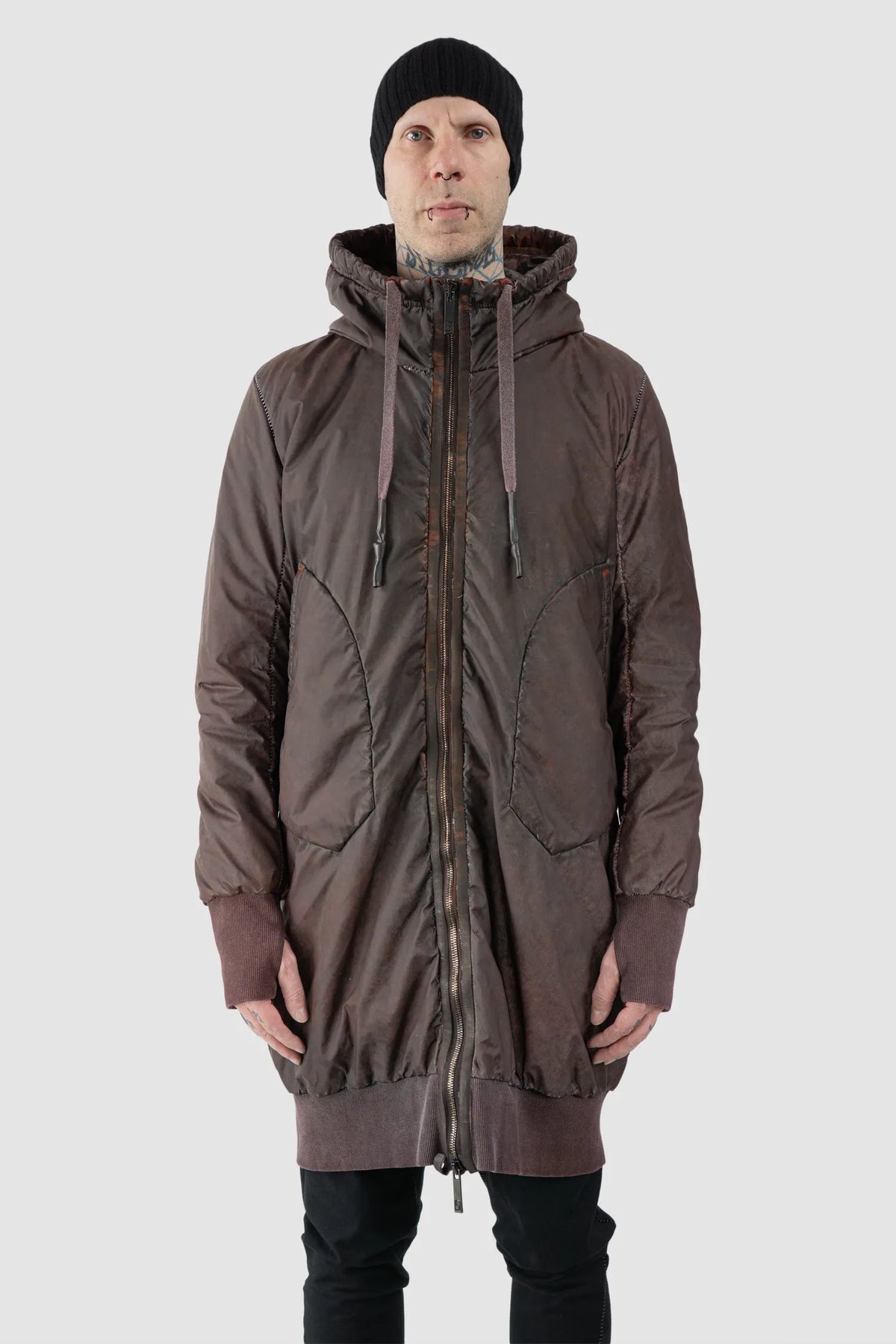
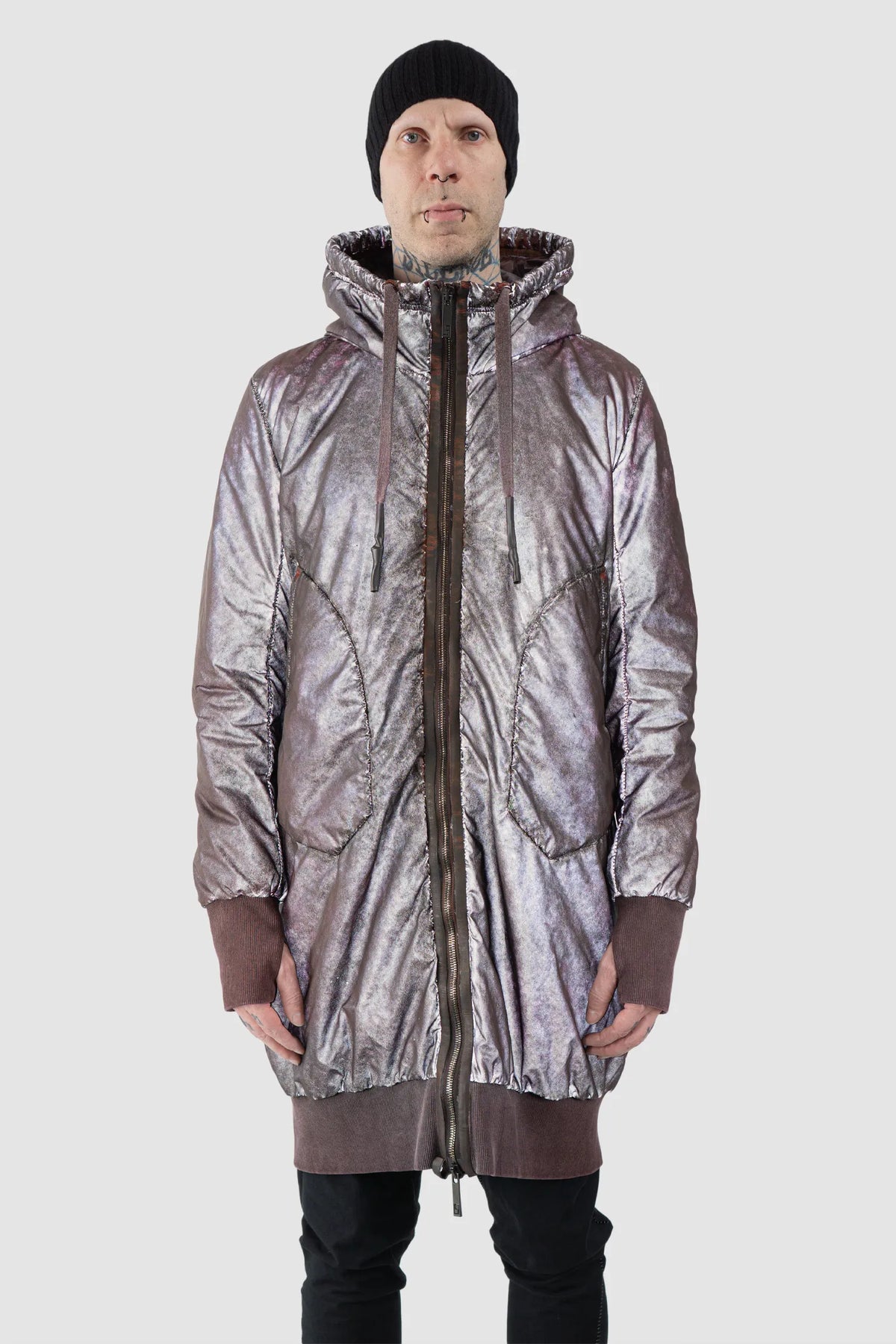
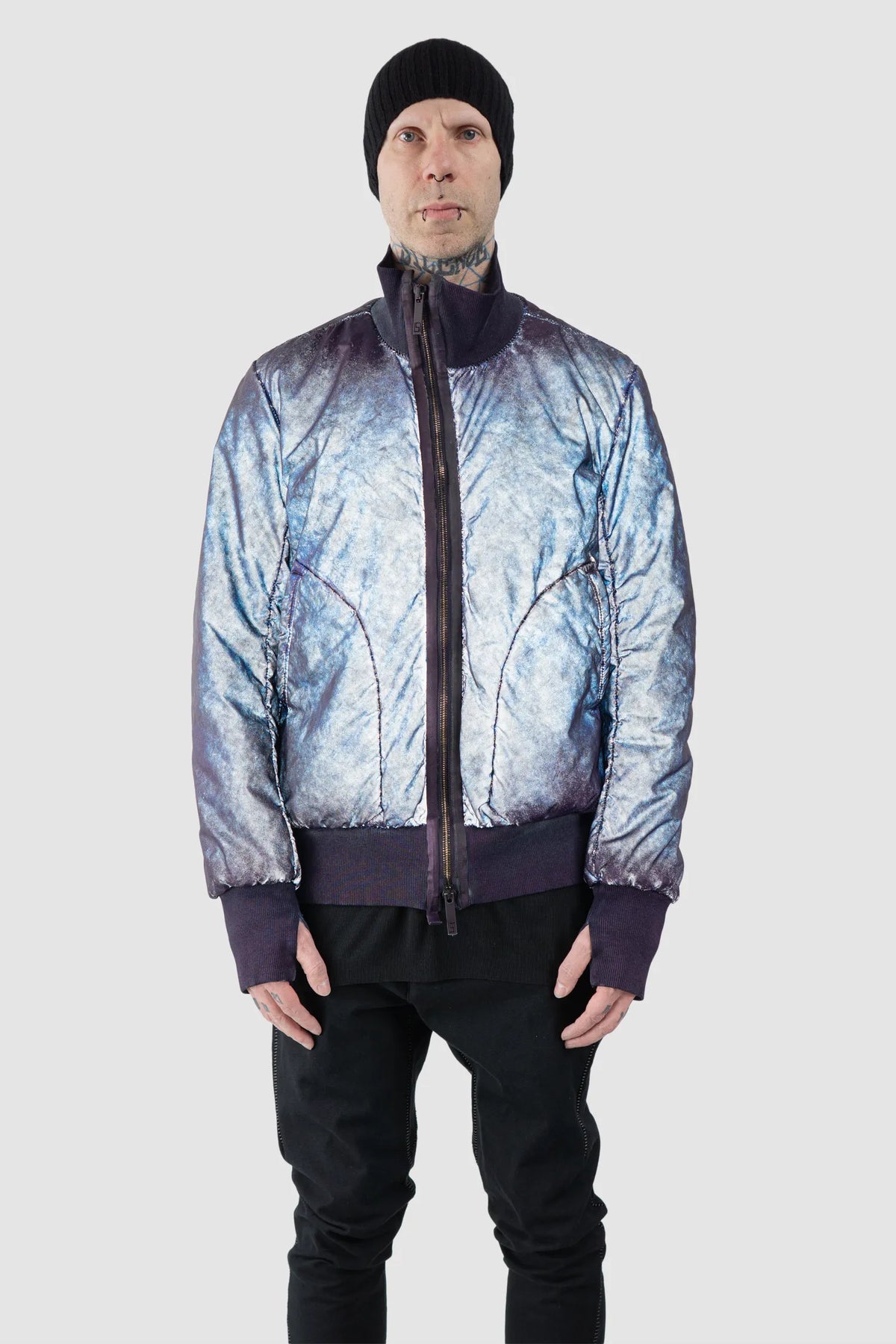
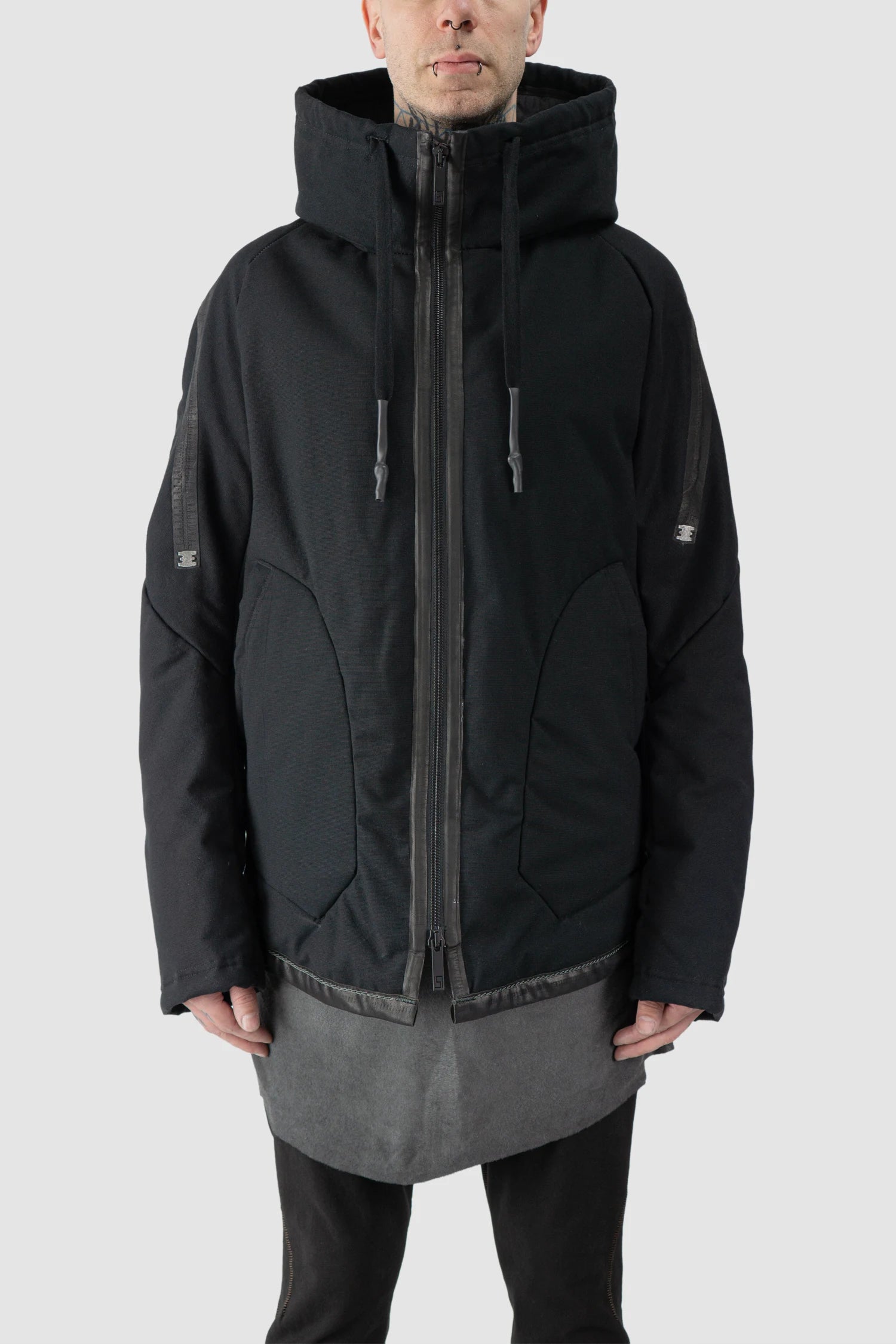
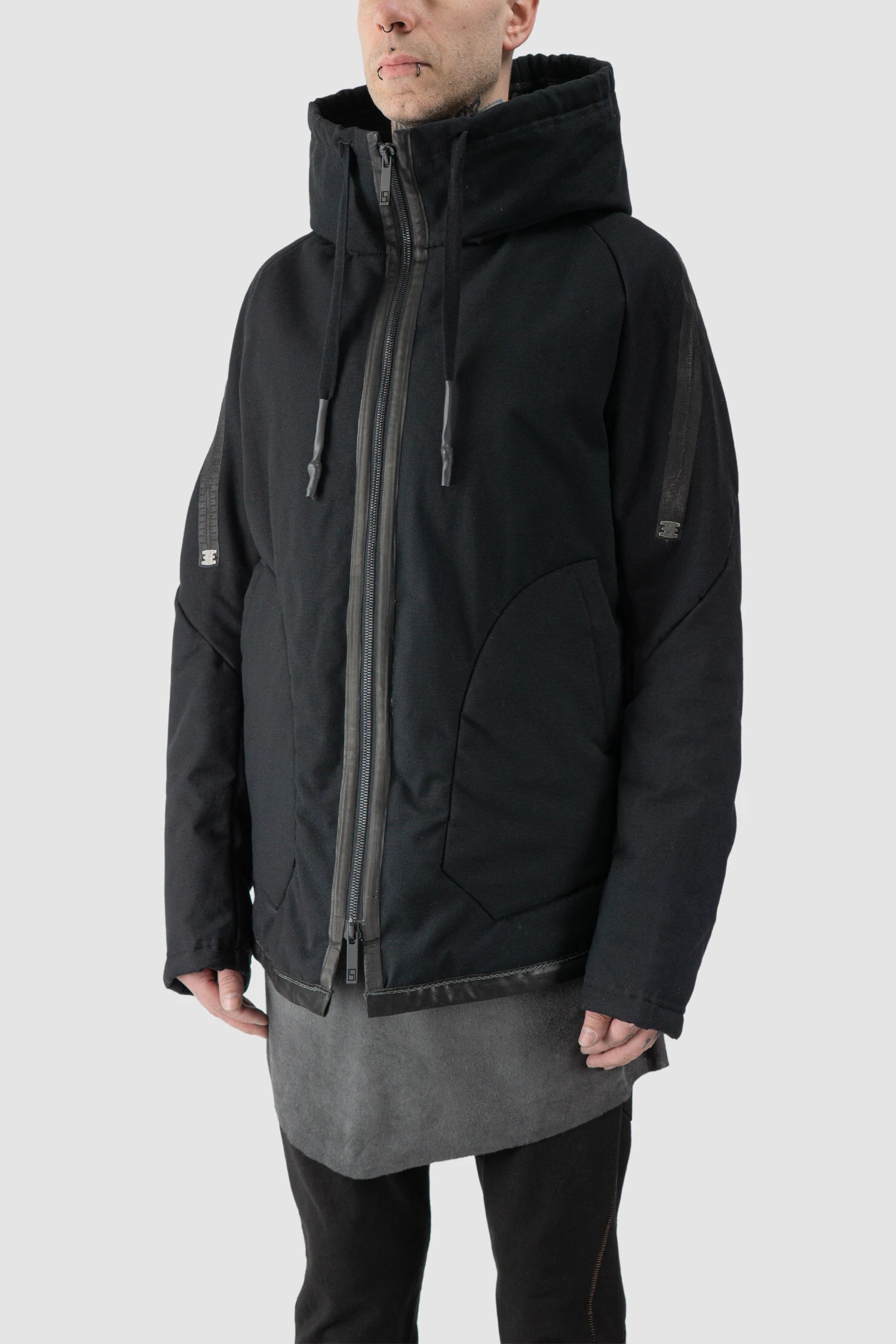
For FW26, this philosophy deepens. Reflective nylon surfaces that shift under direct light, Chrome-Agnon object-dyed finishes layering metallic tones with muted greys, and signature metal staple details that anchor every piece to the label's unmistakable identity. This is textile architecture taken to its logical extreme — form reduced to essential geometry, material treated as the primary design language.
The language of brutalism in contemporary menswear operates by the same logic as brutalist architecture: what remains when you strip away decoration? At 69, the answer is: metal staples, diagonal seaming, exposed construction, and weight distribution that rewards prolonged wearing. Silhouettes are anatomical yet challenging. Textures develop patina and meaning over time. Color operates in greys, blacks, and the new metallic undertones of Chrome-Agnon, refusing visual noise.
From Leather to Experimental Textile FW26
Isaac Sellam Experience operates at the intersection of haute couture leathercraft and sculptural form. 69 by Isaac Sellam, the experimental sub-label, pushes further — away from leather's tradition and toward textile construction as a conceptual art practice. Where the mainline speaks in finished surfaces, 69 explores raw edges, modular fastening systems, and deliberately incomplete finishes that challenge what luxury menswear should look like.
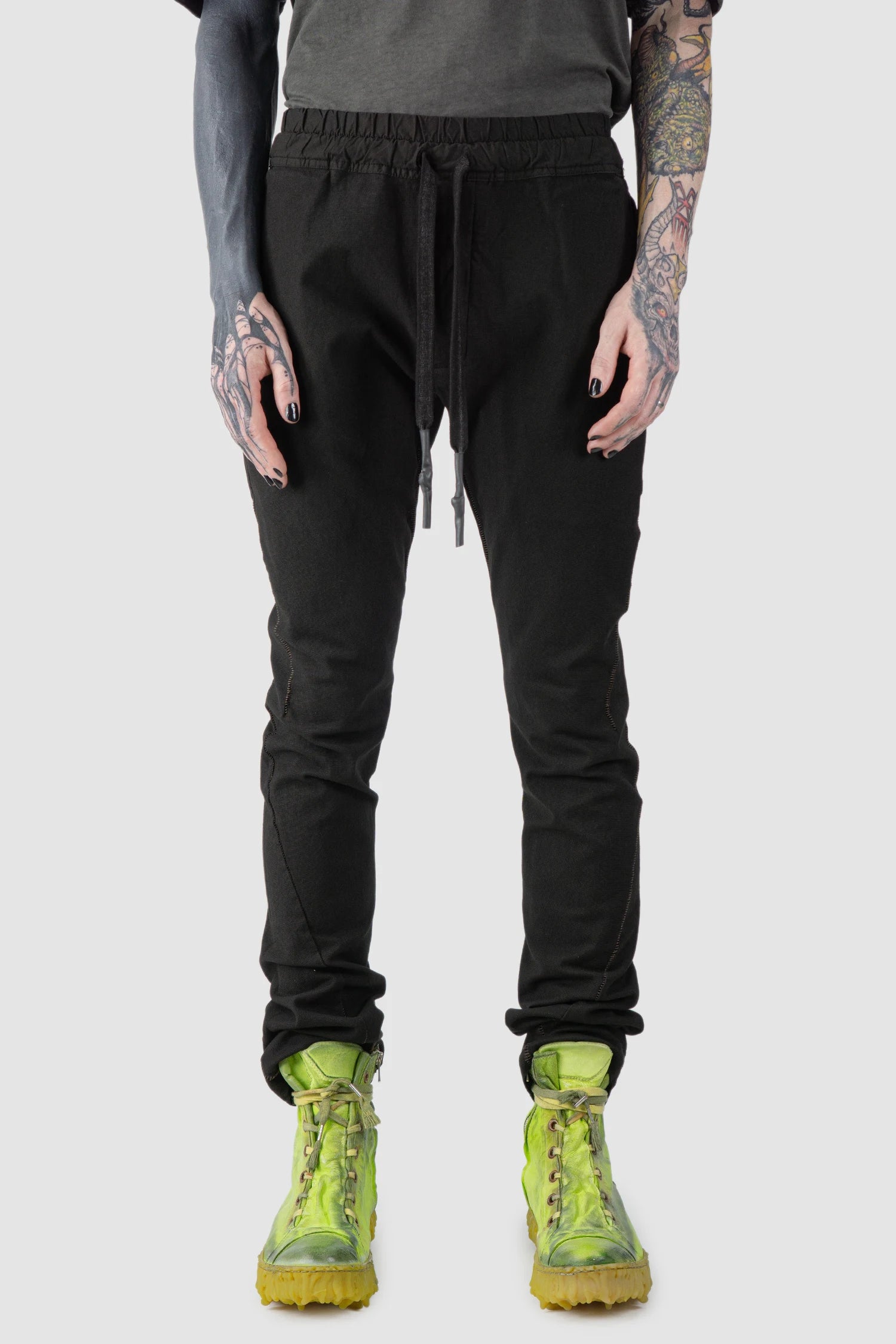
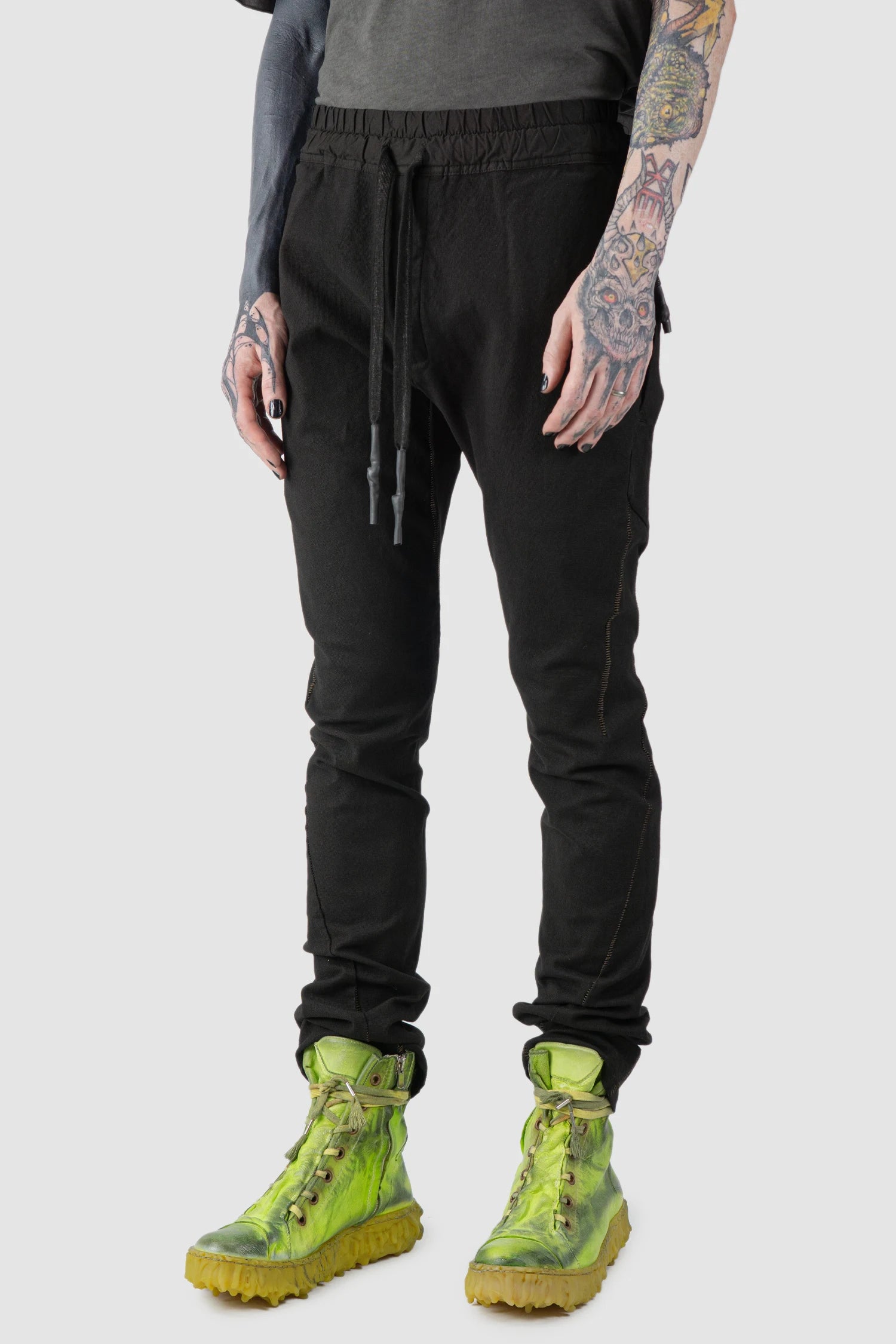
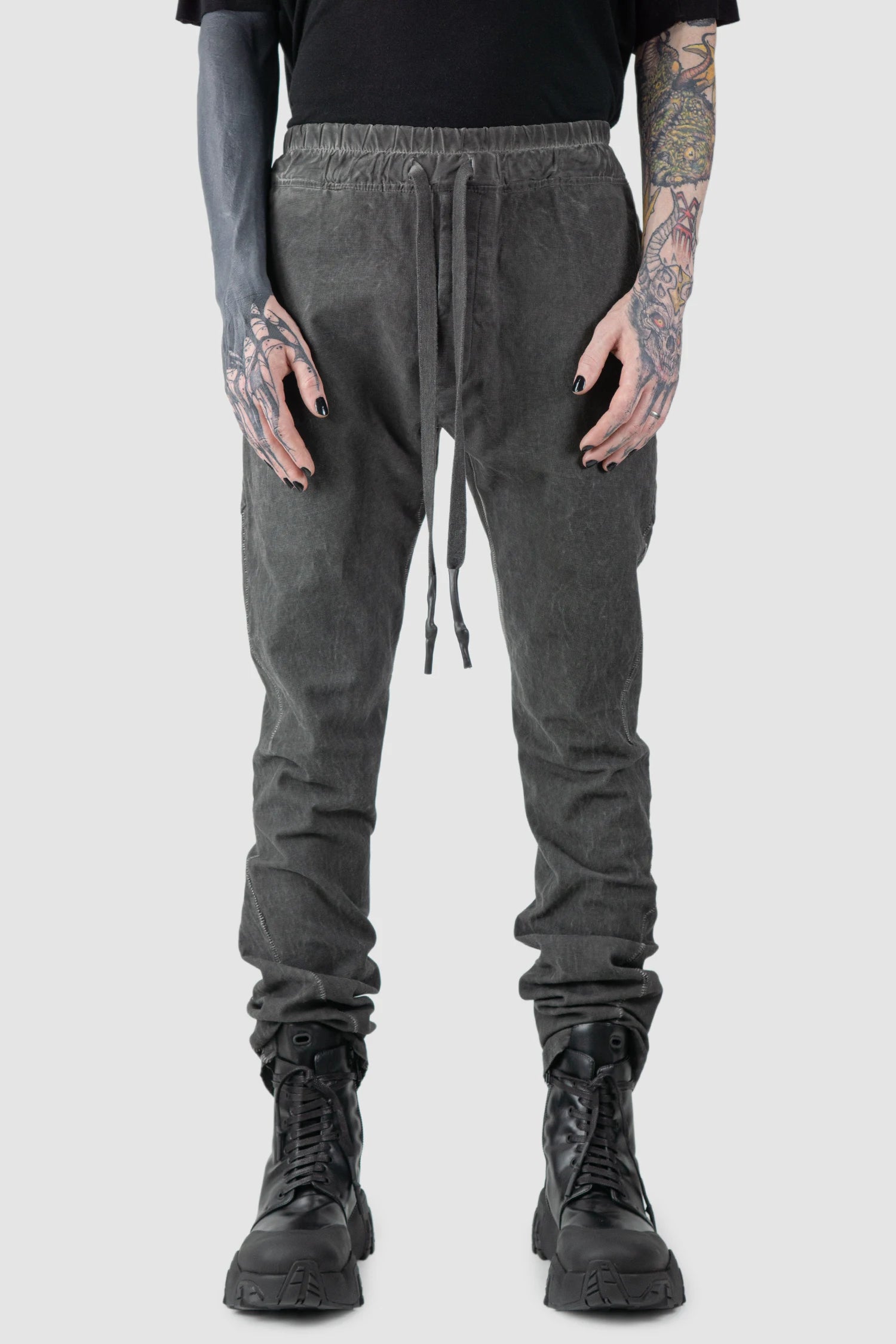
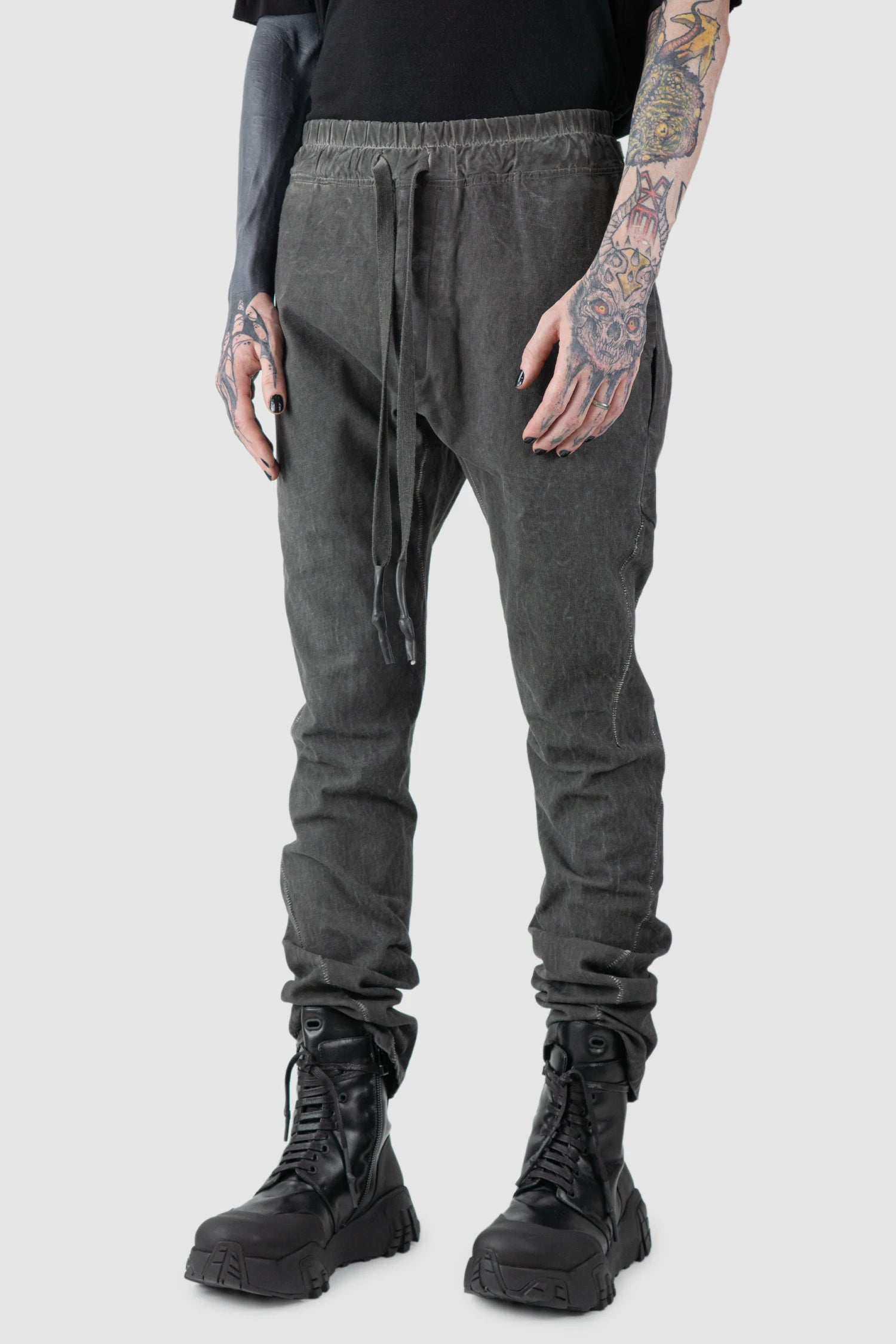
The FW26 collection introduces a new material vocabulary while staying rooted in the label's DNA. Reflective padded nylon transforms outerwear from functional layer into architectural object. Micromodal-cashmere blends create second-skin longsleeves that feel more like intervention than garment. Stretch cotton trousers in Chrome-Agnon finishes offer tonal depth that deepens with wear. These are pieces built for men who treat clothing as identity construction rather than trend consumption.
Material as ideology: Reflective textiles and object cold-dyed surfaces aren't aesthetic choices — they're philosophical statements. Reflective nylon becomes visible in darkness, challenging luxury fashion's assumption that desirability requires subtlety. Chrome-Agnon's metallized undertones suggest that color and material are inseparable — every piece carries unique tonal variation because the dyeing process itself is unpredictable and intentional.
Building a System — Why 69 Belongs at MONO-KROM
69 by Isaac Sellam operates within the broader MONO-KROM wardrobe system alongside Thom Krom's layered minimalism and Masnada's architectural clarity. But where those labels operate in accessible minimalism, 69 represents the most experimental — the conceptual edge. The pieces integrate seamlessly as foundation pieces, mid-layers, or structural anchors. Cargo trousers and drop-crotch joggers provide volumetric foundation. Reflective bombers and parkas layer over monochrome bases. Micromodal longsleeves with diagonal spine panels work equally well as standalone objects or as textile infrastructure for more complex layering.
The FW26 direction strengthens this logic. Chrome-Agnon trousers in black and grey offer tonal variation without breaking the label's visual discipline. Wool-blend scarves with leather staple detailing extend the system upward. Reflective nylon introduces surface behavior that no other label at MONO-KROM explores — making the wardrobe responsive rather than static.
At MONO-KROM Gallery, we curate with intent, not impulse. 69 by Isaac Sellam embodies everything that defines the store's philosophy: material honesty, structural clarity, and absolute refusal to compromise on conceptual rigor. It functions as the most experimental layer in a curated wardrobe — the label you choose when Thom Krom's rawness isn't enough, when Masnada's architecture needs friction, when you're ready to make clothing into a statement about form itself.