

Parts of Four: The Language of Hard-Edged Ritual Jewelry
From Sculpture to Silver – How Evan Sugerman Built Parts of Four
There are jewelry labels. And then there is Parts of Four. Founded in 2011 by Evan Sugerman — American artist, sculptor, and sound synthesist from Los Angeles — Parts of Four operates in a space where jewelry stops being decoration and becomes something closer to a talisman. A tool. A record of material history worn on the body.
Sugerman's background is not in jewelry. It is in sculpture, multi-media installation, and modular sound synthesis. He describes his creative process like building with frequencies: fundamental forms layered, combined, and filtered until something new and irreducible emerges. This approach shapes every Parts of Four piece. Nothing is designed for a season. Nothing is designed for a gender. Every ring, cuff, and pendant is built to last — and to mean something beyond the moment it was made.
Before founding Parts of Four, Sugerman co-designed and produced the mainline Rick Owens jewelry collection — a collaboration that reveals exactly where Parts of Four sits in the broader landscape of avant-garde design. Hard architecture. Dark materiality. Absolute commitment to form over trend.

Sterling Silver, Rough Diamonds and the Weight of Raw Material
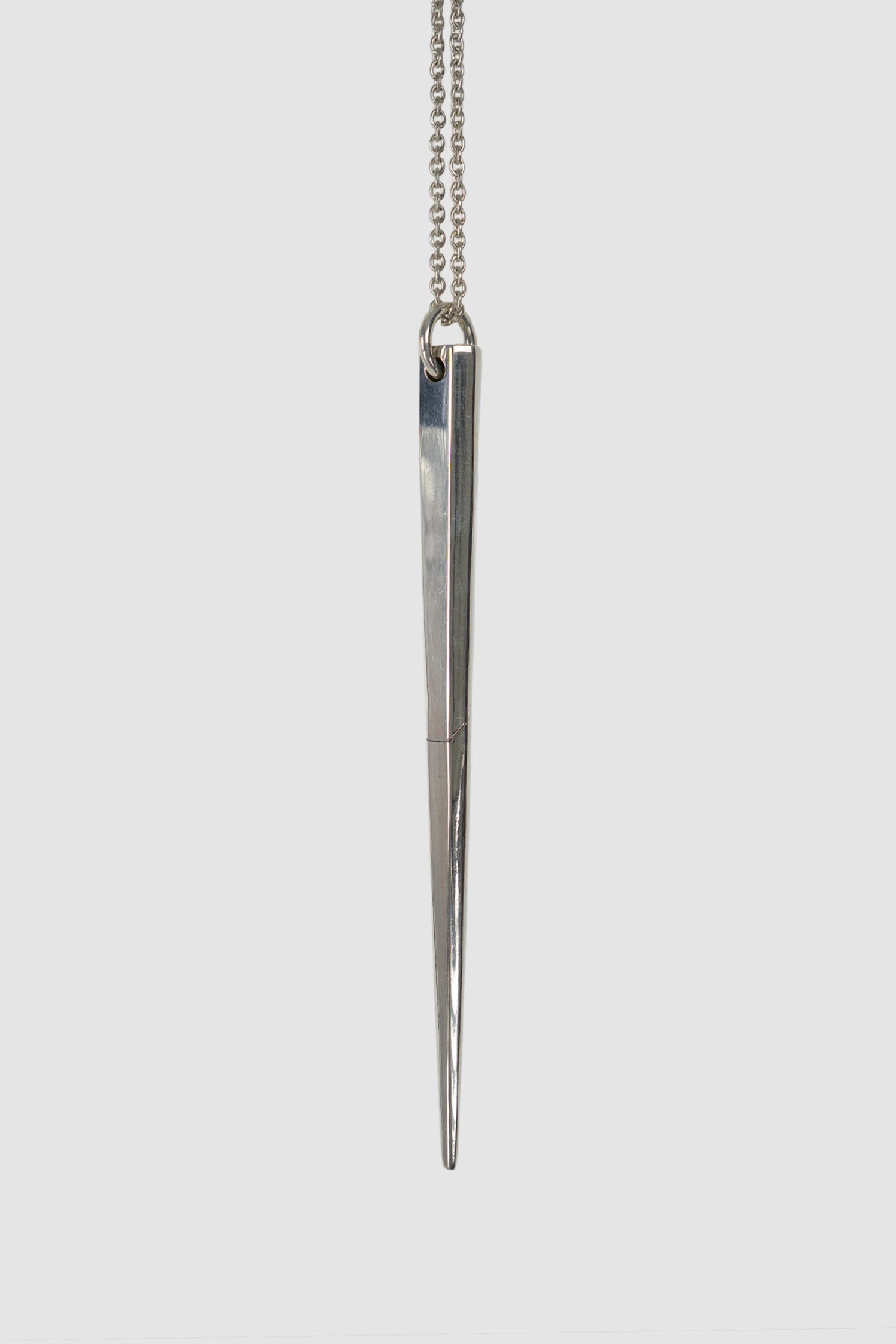
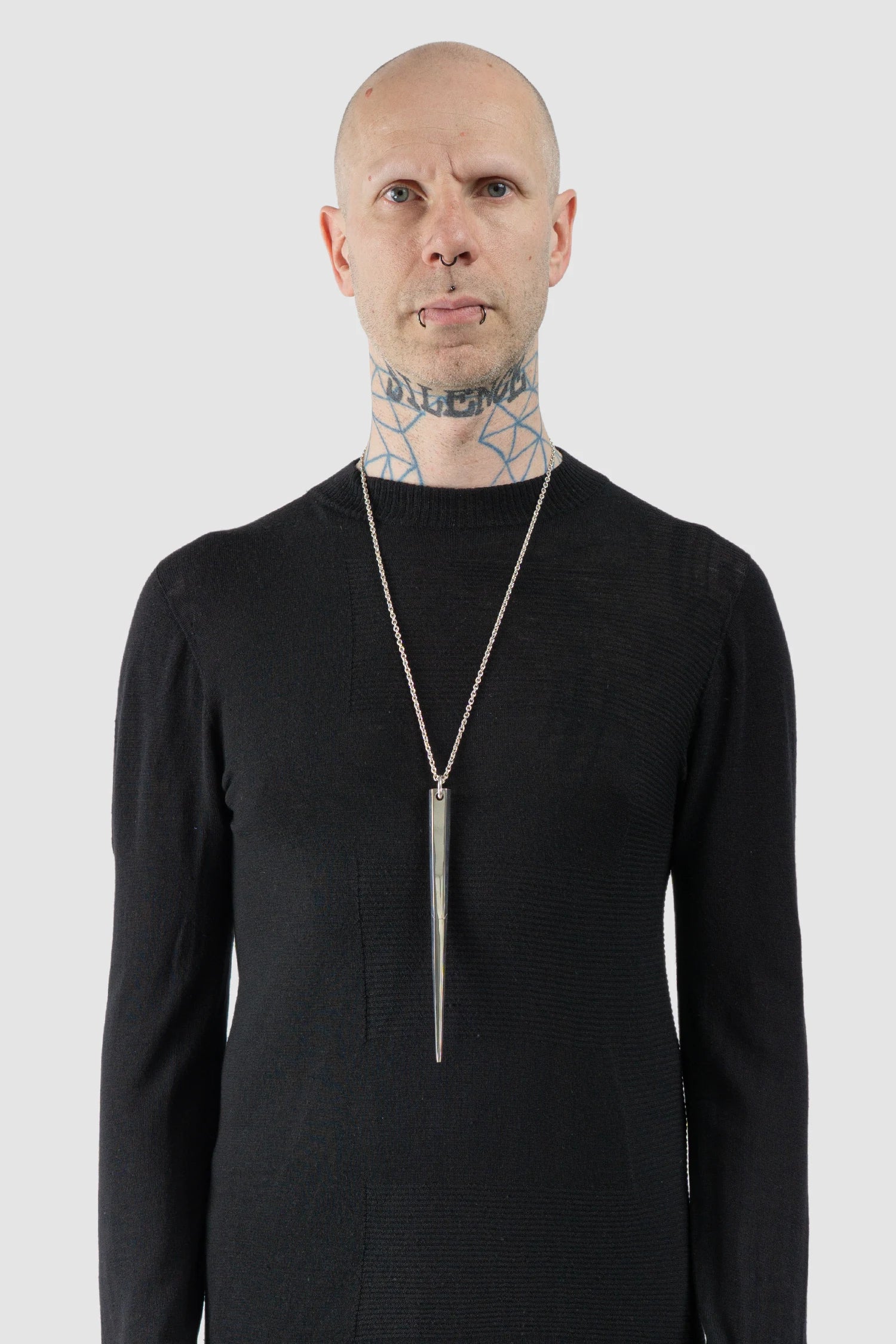
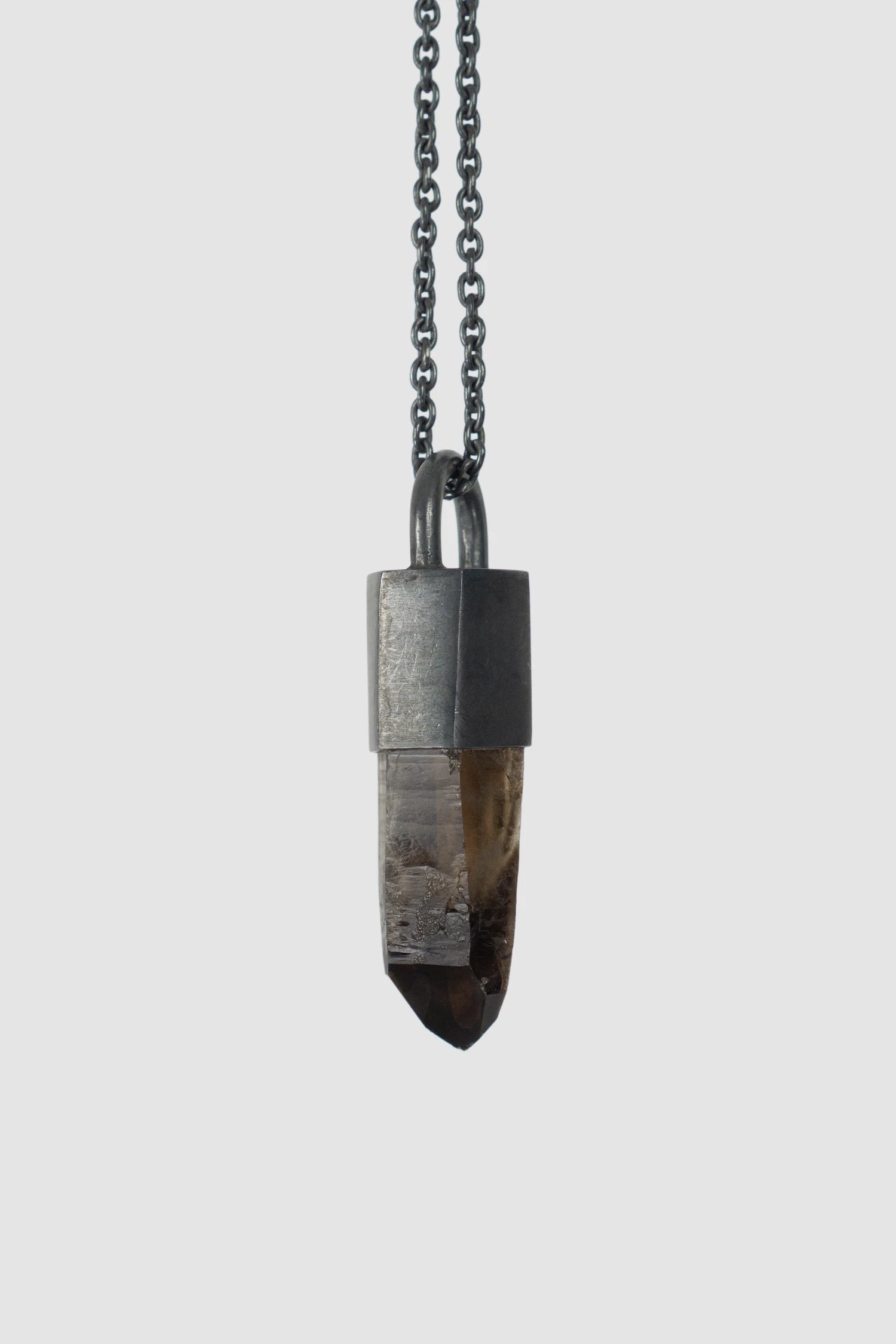
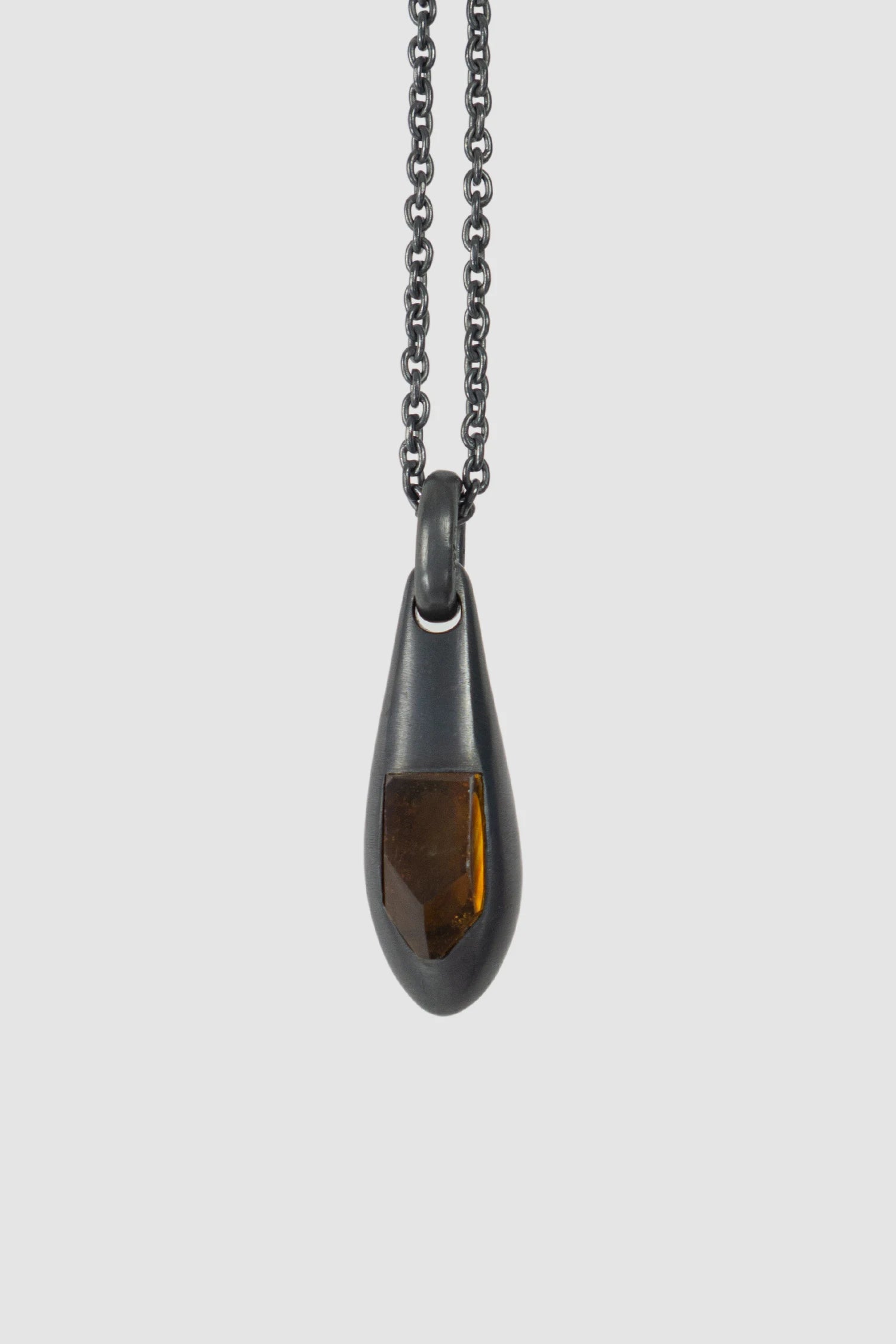
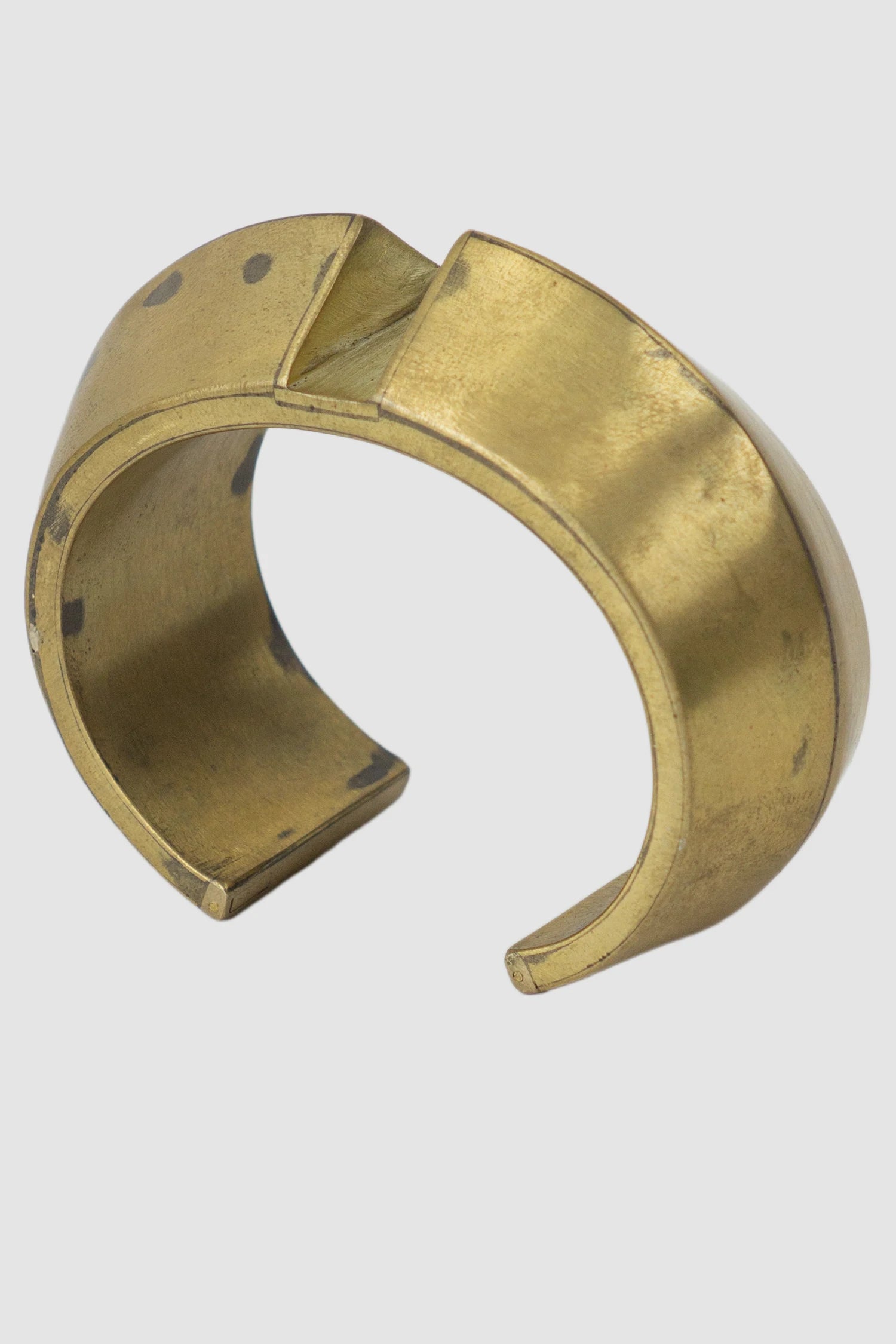
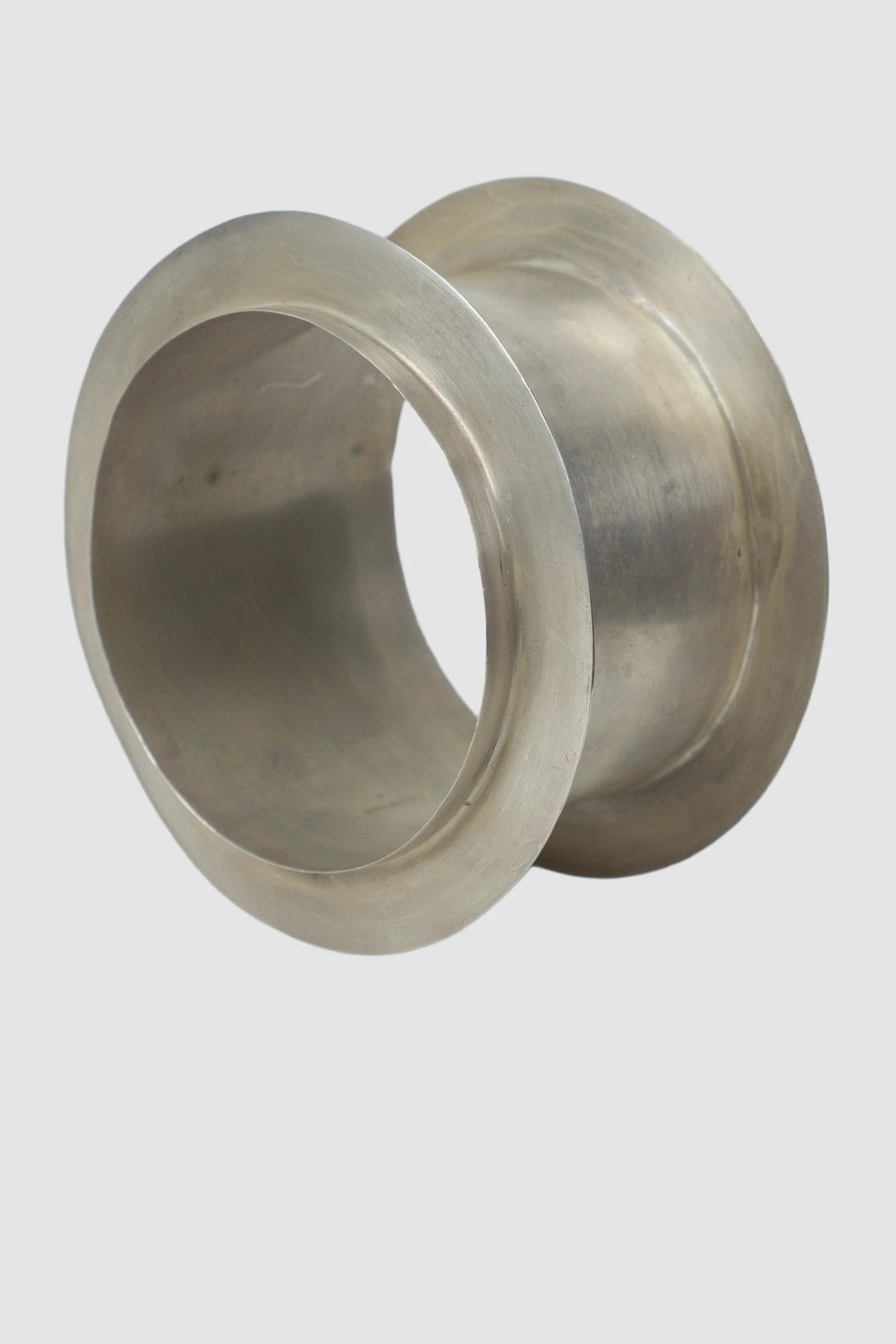
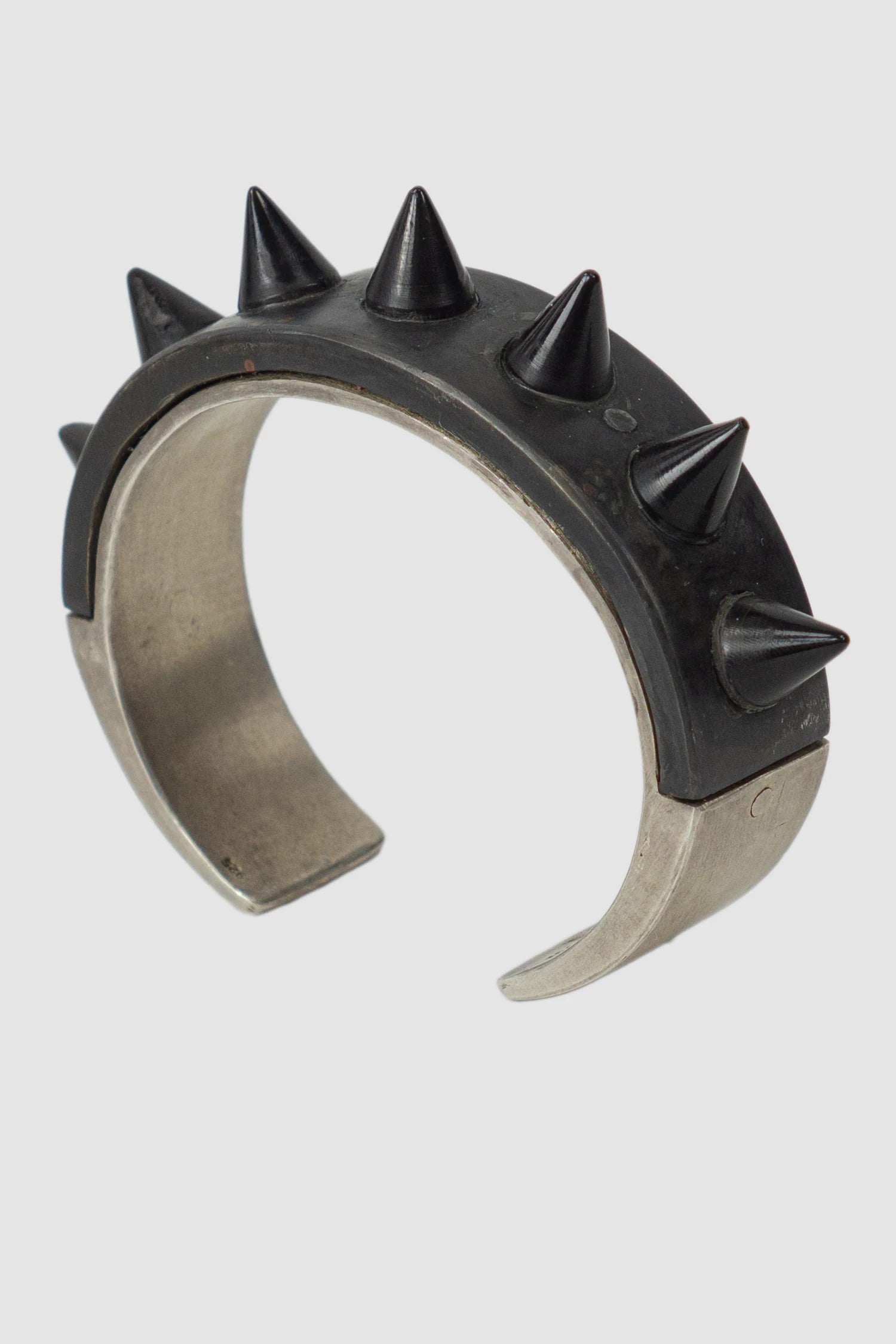
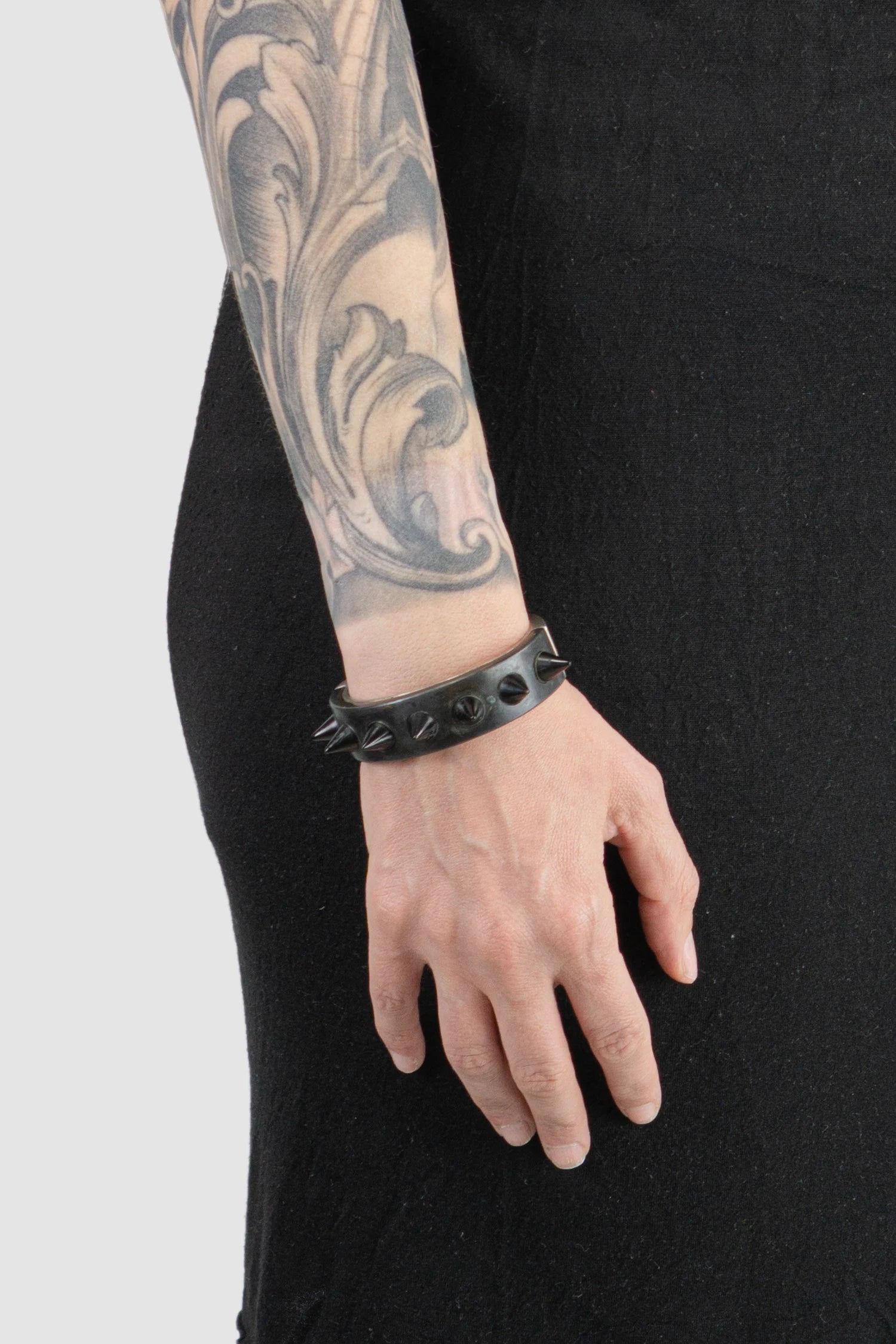
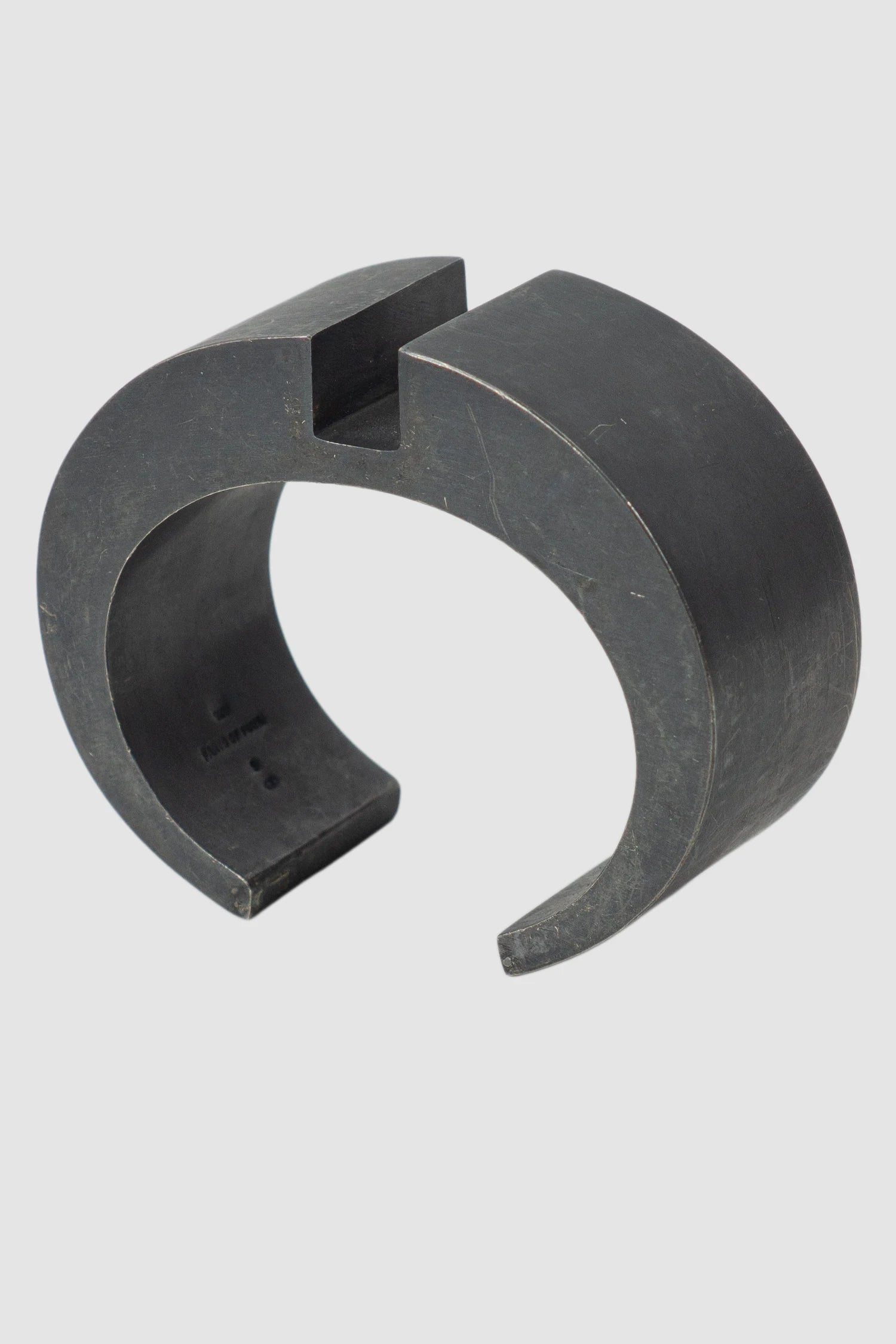
Parts of Four works primarily with sterling silver, rough diamonds, natural gemstones, and acid-treated metals. The process is traditional casting — executed in Bali, Indonesia with methods that prioritize texture and permanence over polish and perfection. The results carry geological weight. Pieces look as if they were recovered from somewhere deep rather than designed at a desk.
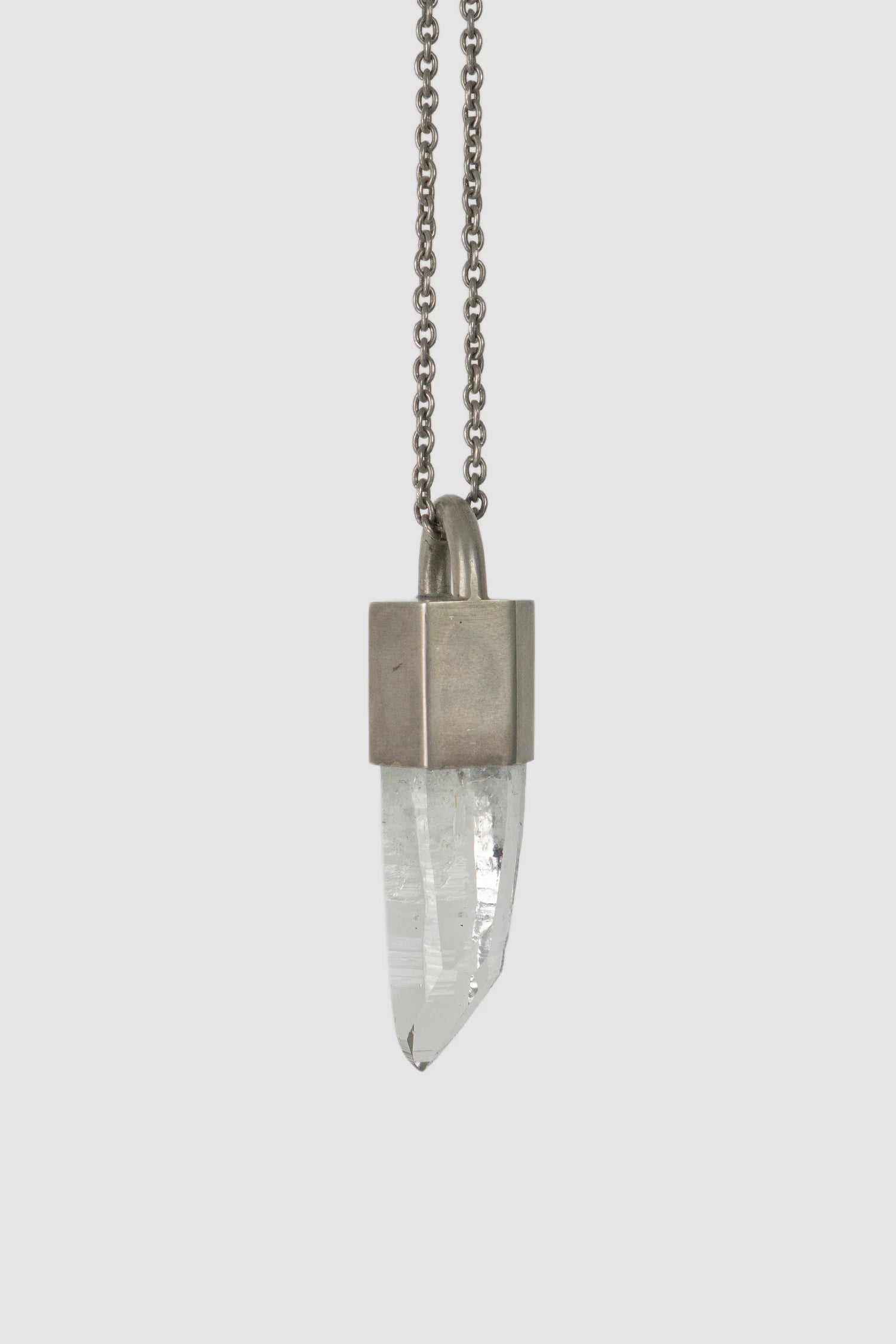
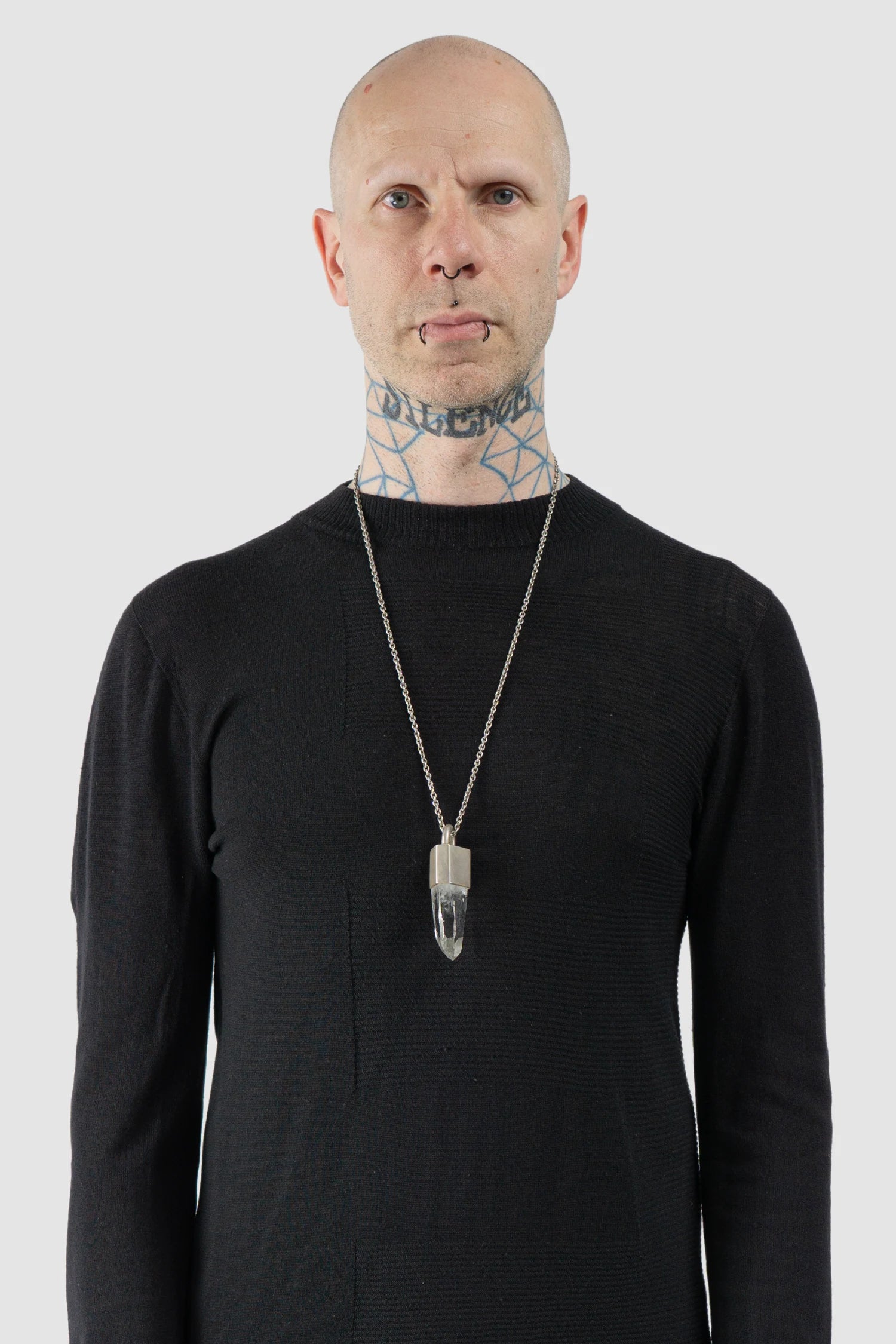
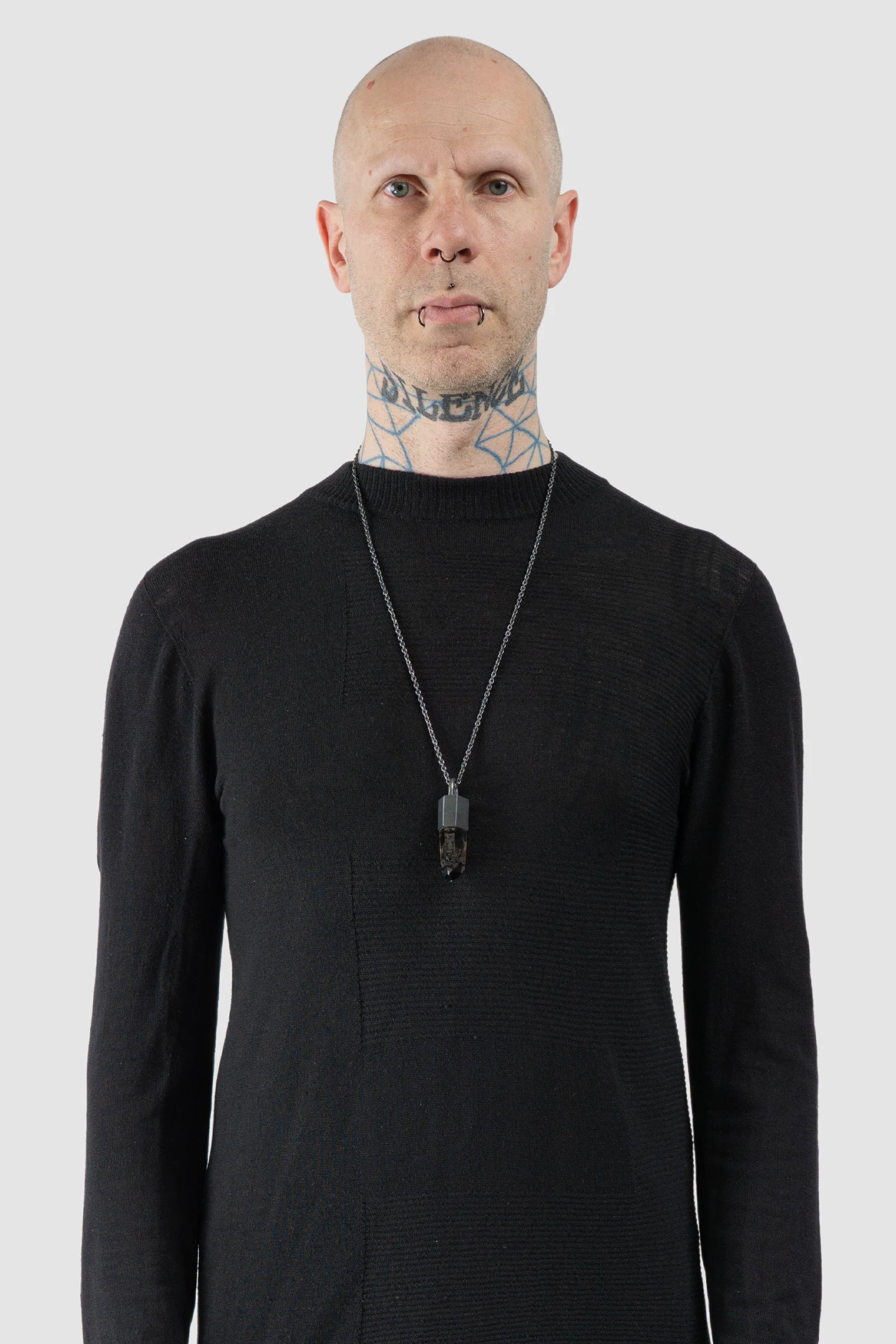
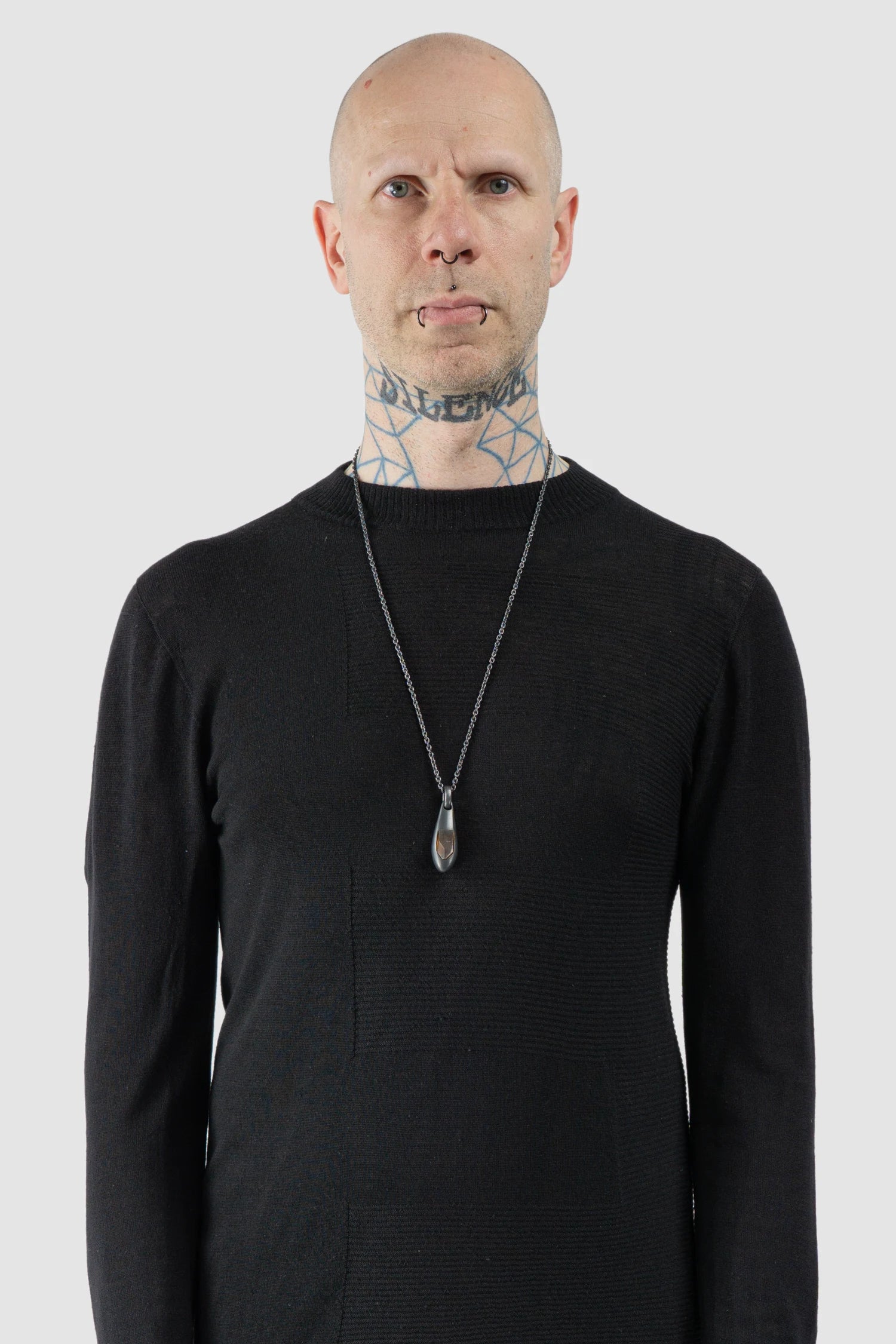
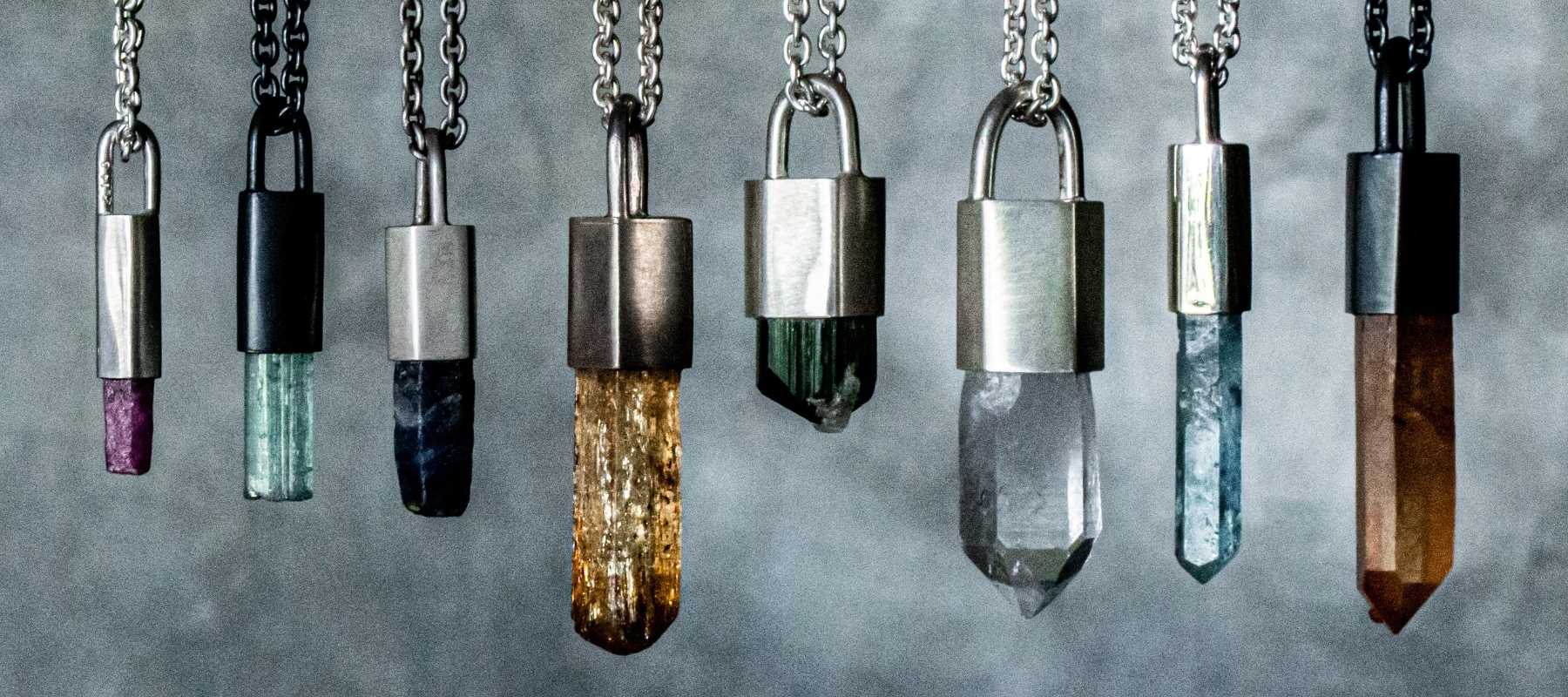
Natural stones — tanzanite, moldavite, quartz, rough diamonds — are chosen and left largely unaltered. The philosophy is straightforward: the material holds history and power. Cutting and polishing erases that. Parts of Four preserves it. The hardware surrounding the stones is industrial in character — hard edges, visible construction, no unnecessary ornament. The tension between the raw stone and the precise metalwork is where Parts of Four lives.
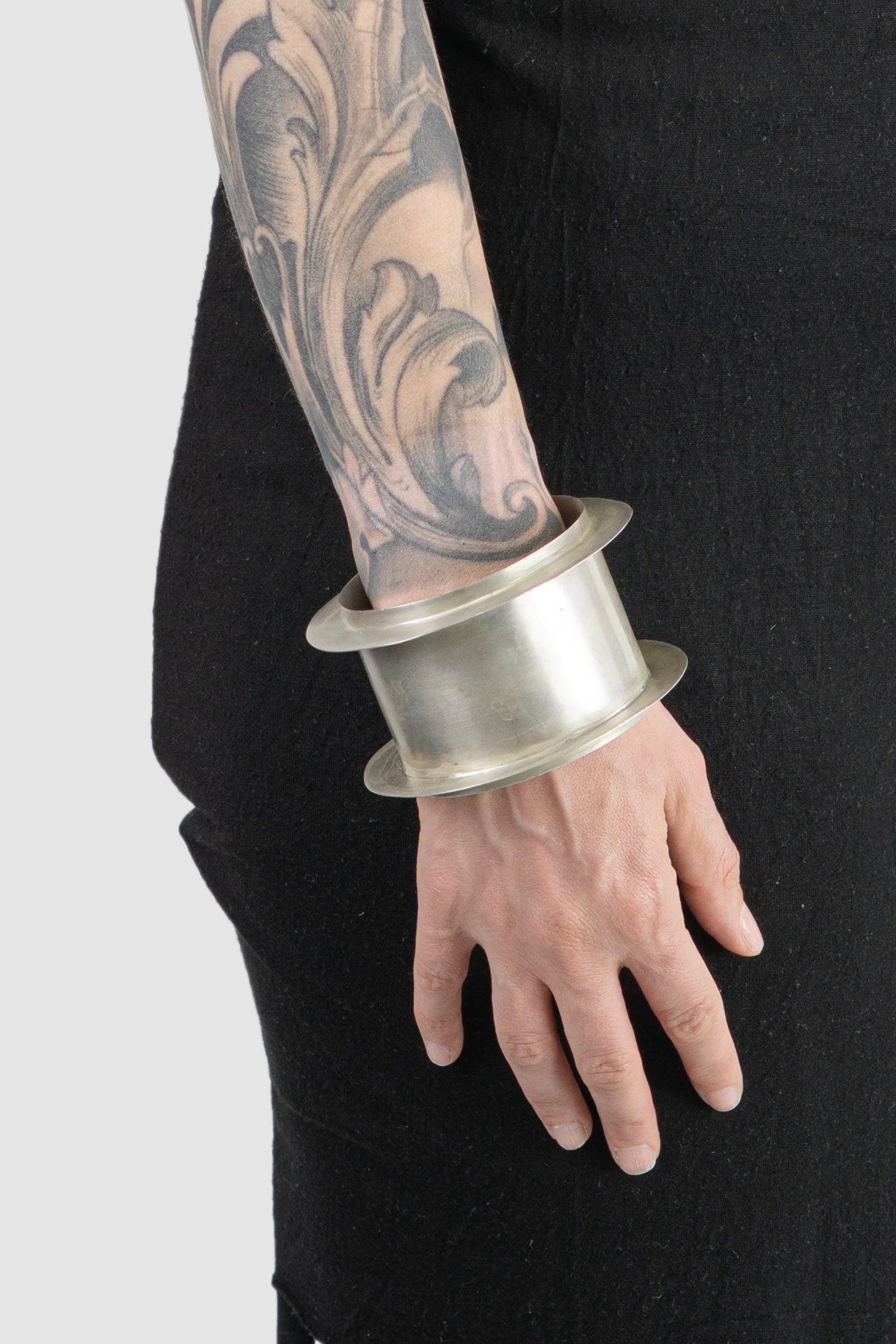
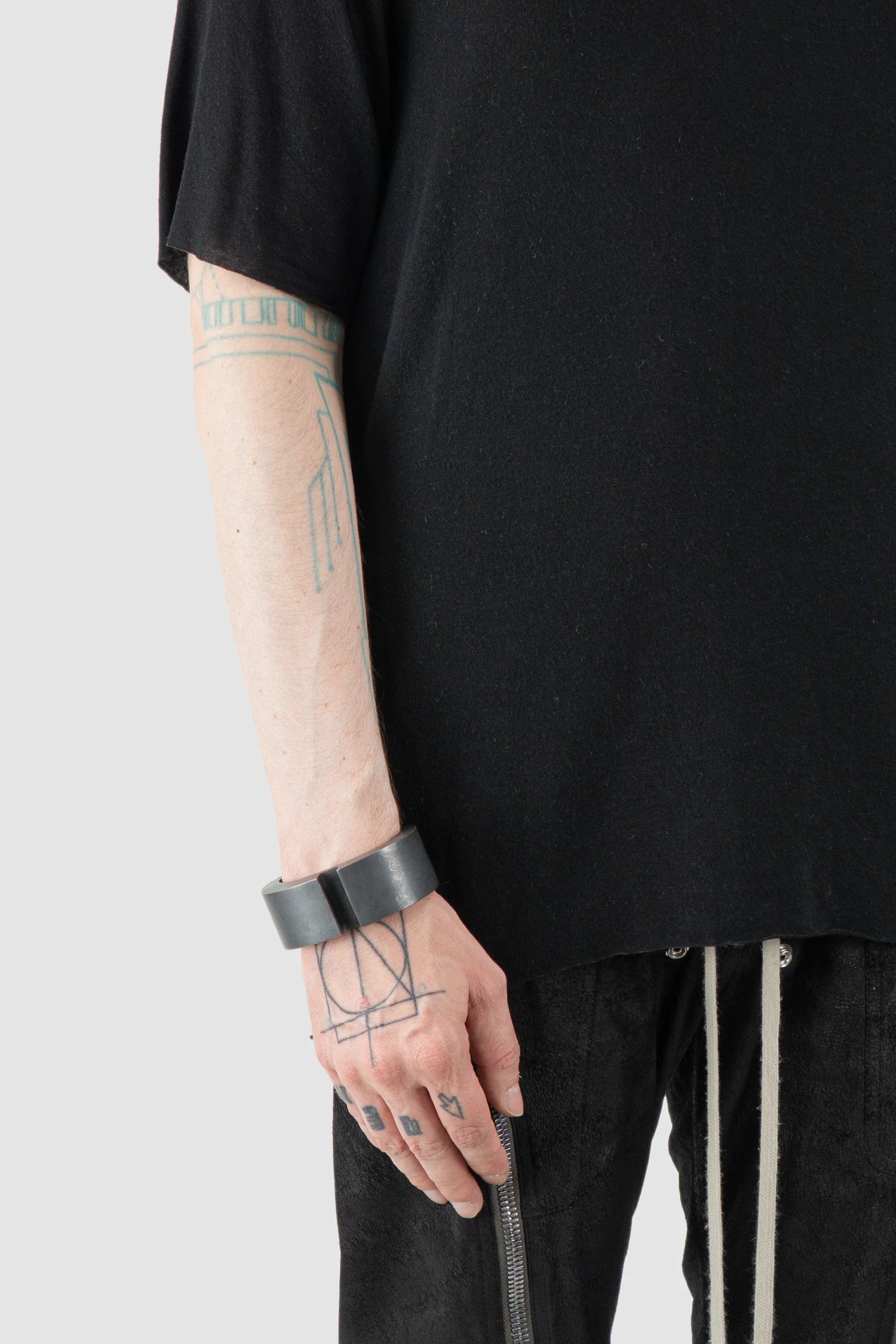
Signature pieces include talismanic rings and cuffs that combine silver structures with rough or semi-polished stones, leather cord elements, and weight distributions that feel deliberate and physical. Wearing Parts of Four is a tactile experience. These pieces have presence.

Non-Seasonal. Ungendered. Built to Last.
In an industry structured around drops, seasons, and trend cycles, Parts of Four operates outside all of it. The collection is entirely non-seasonal and ungendered — built on the logic that objects of genuine quality and meaning do not expire. A Parts of Four ring does not become irrelevant in six months. It deepens. The silver ages. The stones carry more history. The object becomes more itself over time.
This permanence aligns precisely with the curatorial logic at MONO-KROM Gallery. We do not build a wardrobe around seasons. We build a system around identity — labels with a clear design language, materials chosen with intention, and pieces that carry meaning beyond their function. Parts of Four fits that logic exactly.
Parts of Four at MONO-KROM Gallery
The Parts of Four collection at MONO-KROM Gallery focuses on rings, cuffs, and talismanic pendants that integrate naturally into the dark, architectural wardrobe that defines this store. Worn alongside Thom Krom, Masnada, or Isaac Sellam, Parts of Four jewelry completes a look without competing with it. It adds weight, ritual, and quiet authority.
What People Ask About Parts of Four
What materials does the label use? Parts of Four works with sterling silver as its primary metal — cast in Bali using traditional methods that prioritize surface texture over uniform polish. Rough diamonds, tanzanite, moldavite, and quartz are incorporated uncut or minimally processed, preserving the geological character of each stone. Acid treatments and patination develop the silver's surface over time.
Does sterling silver tarnish — and is that a problem? Sterling silver develops a natural patina over time. For Parts of Four, this is not a flaw — it is the intended outcome. The surface deepens and darkens with wear, making each piece more individual. Light cleaning with a soft cloth maintains the silver without stripping the character that develops through use.
Can you wear Parts of Four every day? Yes. The pieces are cast for durability and intentional daily wear — rings and cuffs are built with wearable weight distributions and construction that holds up to consistent use. The longer a piece is worn, the more presence it develops.
Are the pieces unisex? Entirely. Parts of Four produces no gendered pieces. Rings, cuffs, pendants, and talismanic objects are designed to function across body types, styling systems, and wardrobes. The design language — hard form, raw material, structural weight — speaks to anyone operating in a dark, avant-garde aesthetic.
Where can you see Parts of Four in person? At MONO-KROM Gallery, Berliner Straße 1, 04105 Leipzig — the store carries a curated selection of rings, cuffs, and pendants available to view and try in person.
Discover the Parts of Four collection at MONO-KROM Gallery — rings, cuffs, talismanic pendants, and objects in sterling silver, rough diamonds, and natural gemstones.